 Alatyr

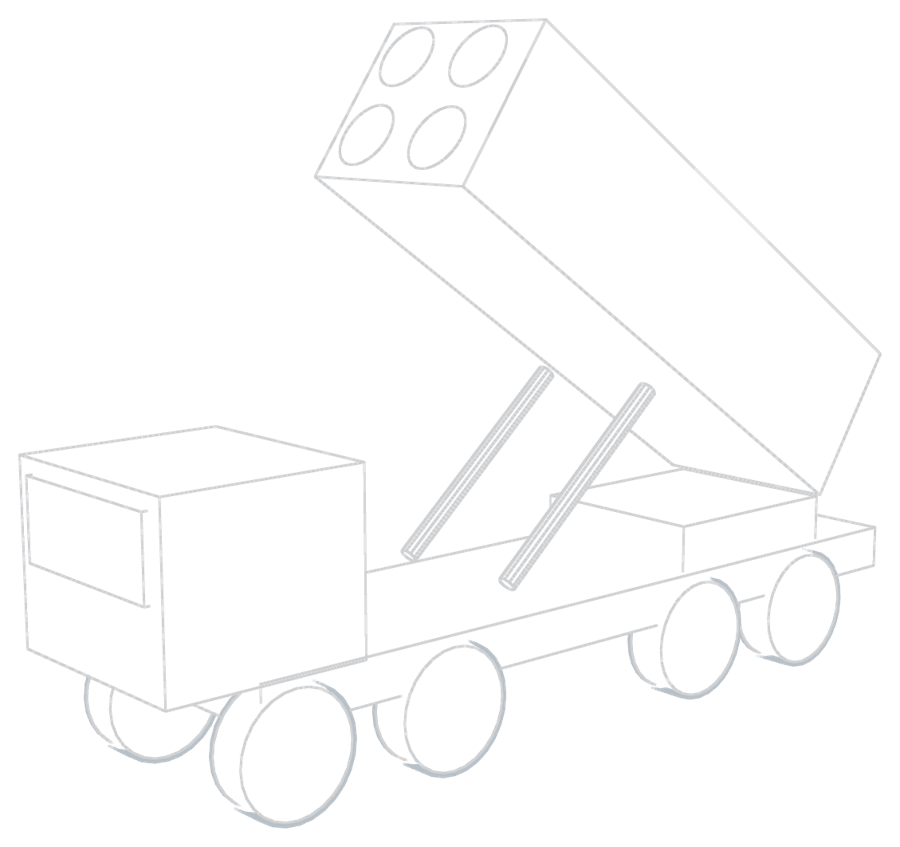
High cost · medium to fast
Interceptor 1.0
Conventional missile defence
- Effective but expensive
- Not sustainable against mass, low-cost targets
Missile Drone Interceptorwith Soft Launchpad
Positions as a quadcopter, attacks as a missile.
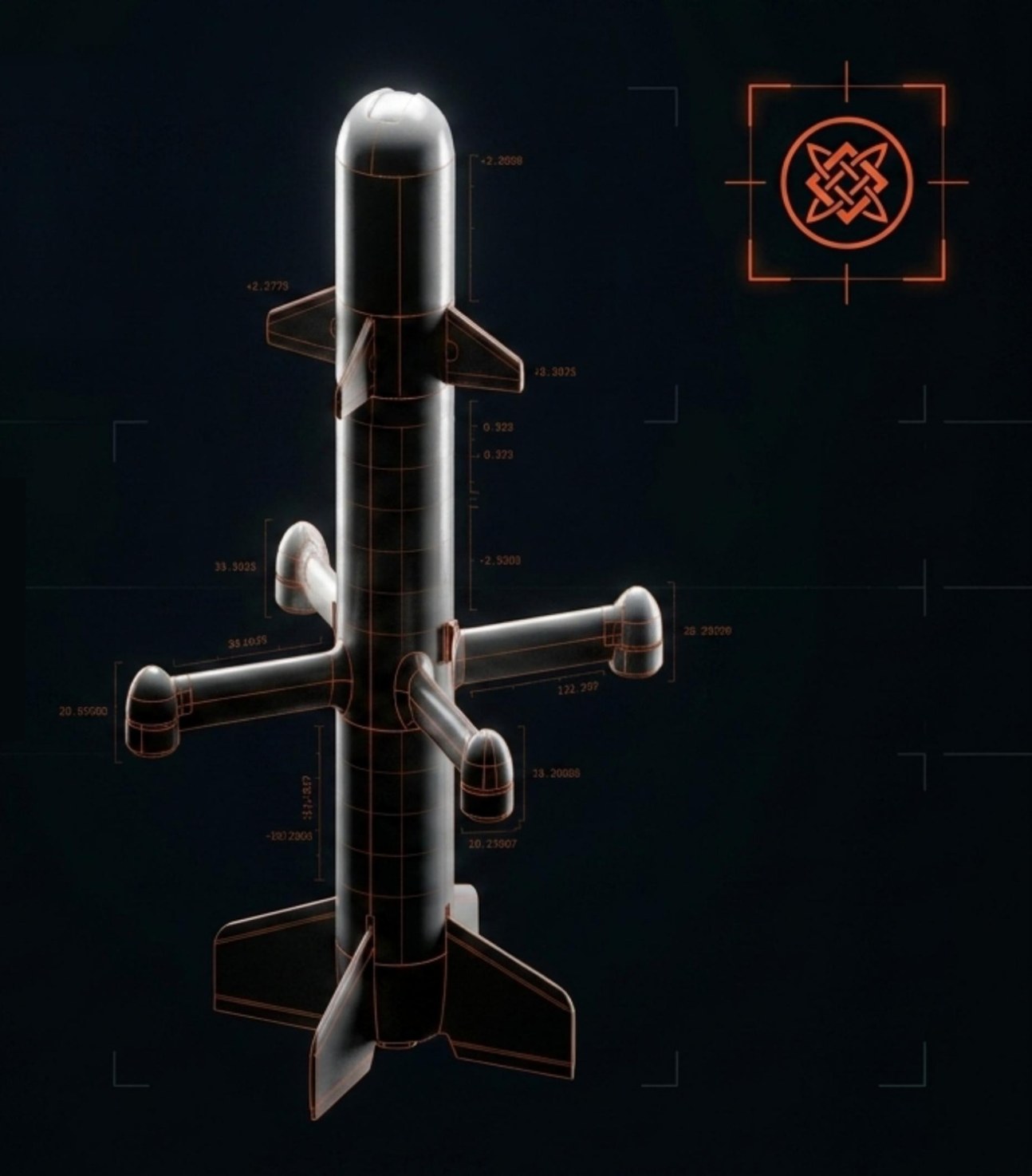
Three legs stability
A war analyst explains P4P
Marijn Markus is a war analyst based in the Netherlands. He explains P4P in his own words. Not staged.
Why a new interceptor layer is needed
Interceptor 1.0

Interceptor 2.0
Fast mass threats are too challenging for electric-only systems and too numerous for expensive missiles.

We are building Interceptor 3.0.
Breaks standard interception
The battlefield geometry has fundamentally shifted. ruzzian production is aggressively pivoting to jet-powered loitering munitions, leaving conventional, battery-bound interceptors trailing in their wake.
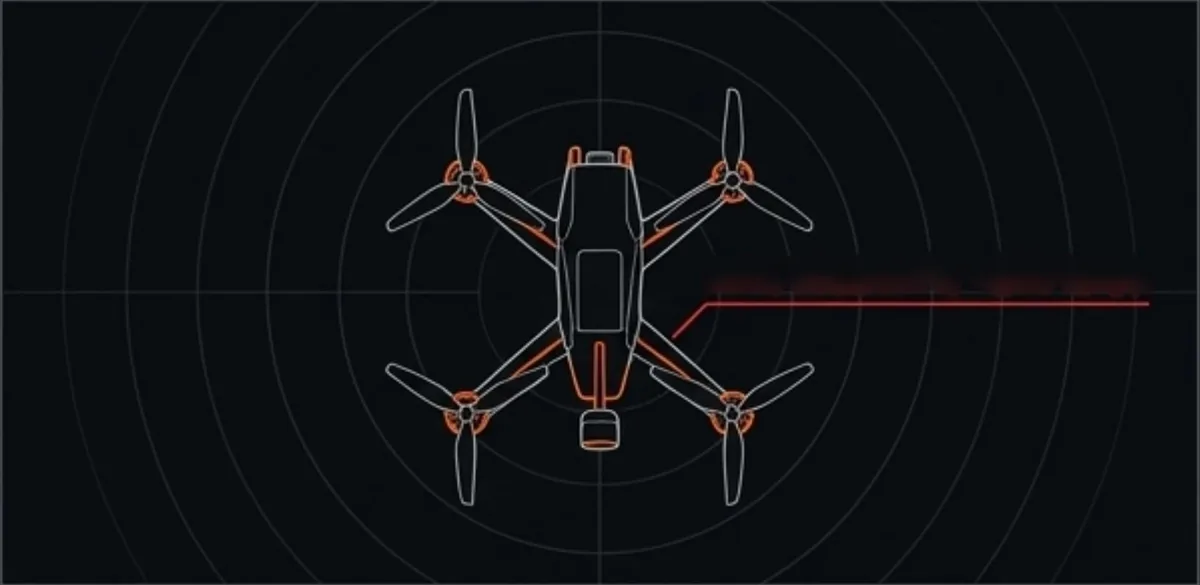 Max velocity: < 400 km/h
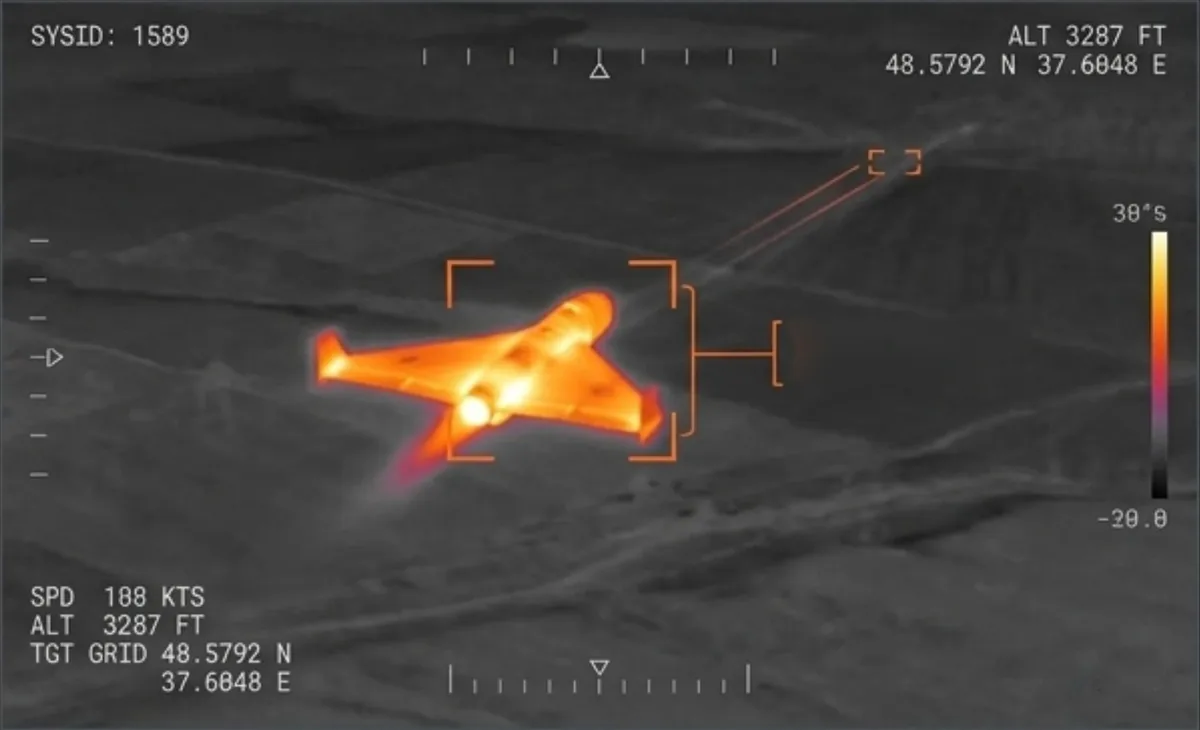 Target velocity:
Sources: Defence Intelligence of Ukraine, January to August 2026; Ukrainska Pravda, 19 May 2026; LB.ua, 1 August 2025. Electric interceptors below 400 km/h: company assessment of field performance. Pictures: illustrations.
Jet-powered Shaheds, September 2026
“Ukraine's interception rate for jet-powered 'shaheds' is now 55%.”
September 2026, to the 26th: over 2,730 jet-powered Shaheds launched, over 1,500 shot down or suppressed.
Source: president.gov.ua. 45% is the remainder of the stated 55%. Each mark stands for one in a hundred.
An important development in drone intercept capabilities.
Thank you for your trust, Alatyr Group. You are paving the way.
This is one of the clearest pieces on the emerging air-defence gap.
Public comments on Alatyr's published work. None of the officers named is affiliated with or advising the company.
Leg 1
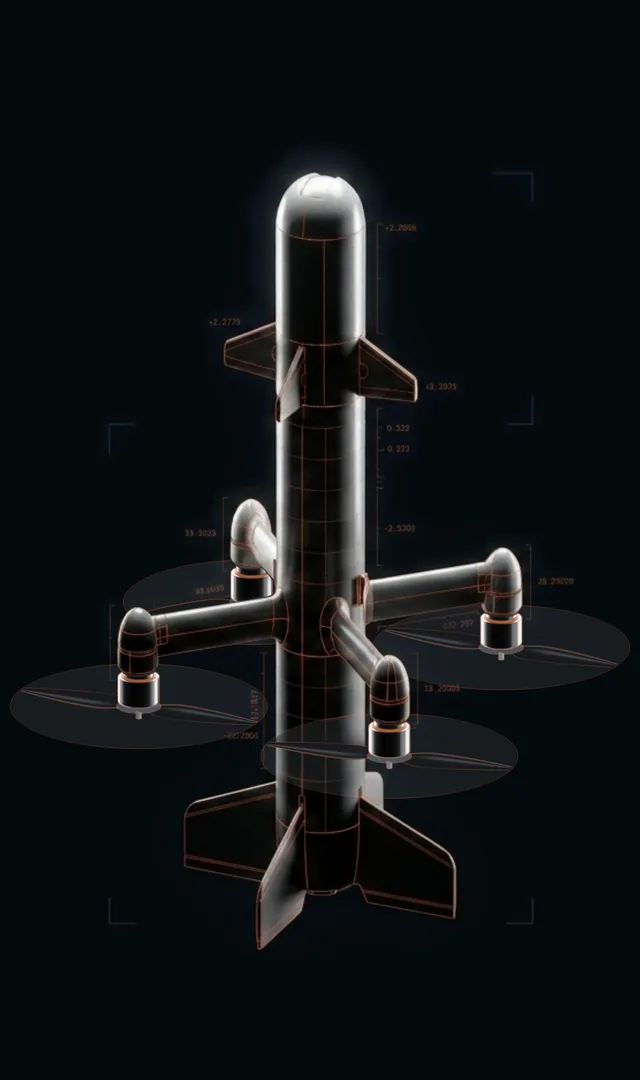
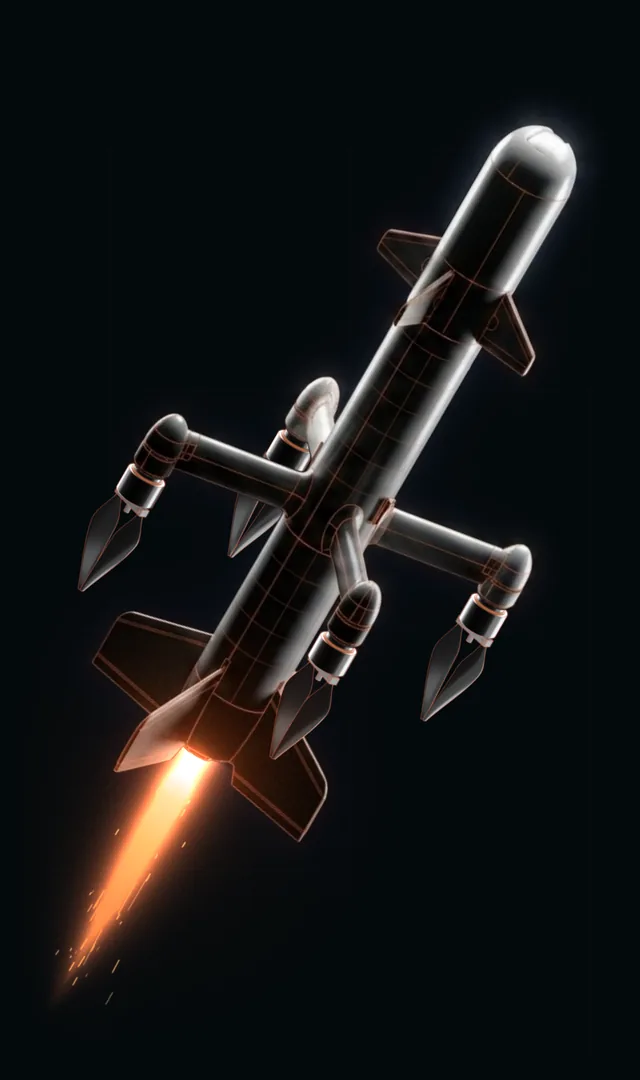
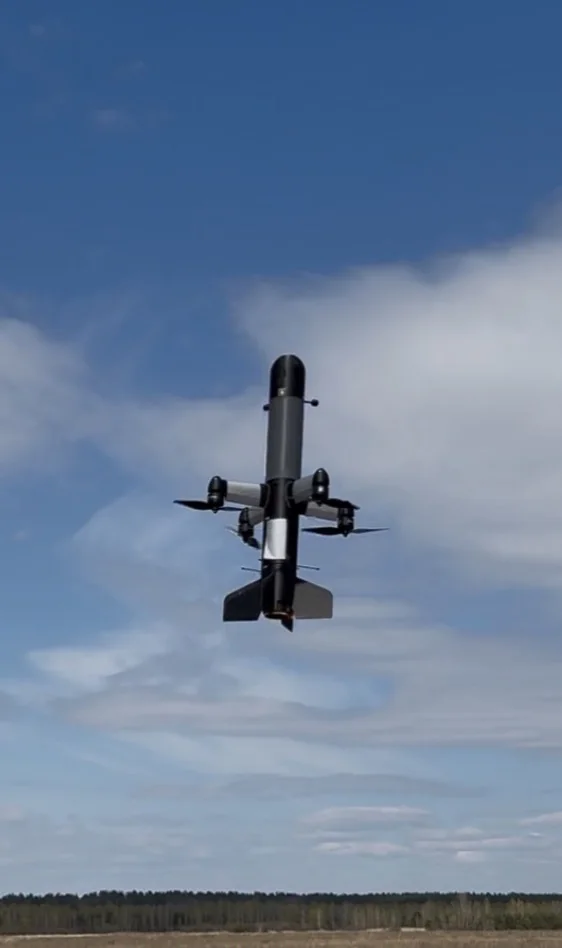
Electric and rocket flight.
Missile-like intercept.
Flying prototype.
The two renders are illustrations. The photo shows a flight test.
Leg 2
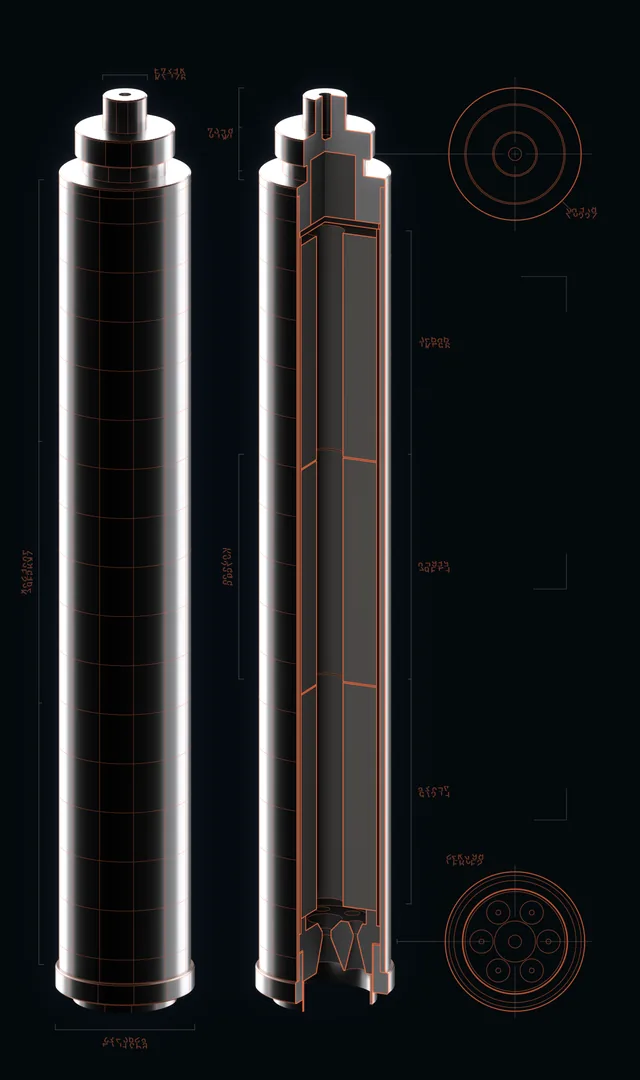
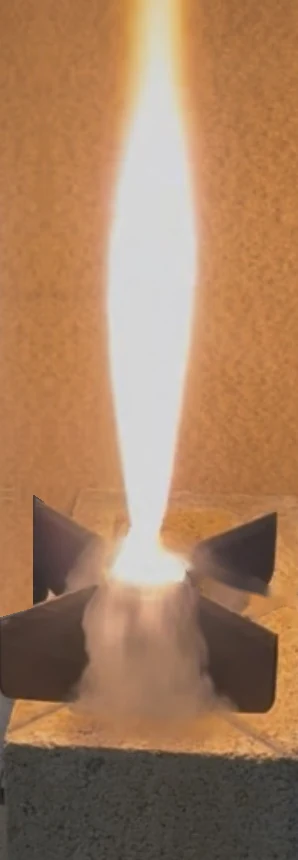
We would buy the motor.
It cannot be bought in volume.
We build our own.
Use: P4P; can also be supplied to third parties
Leg 3
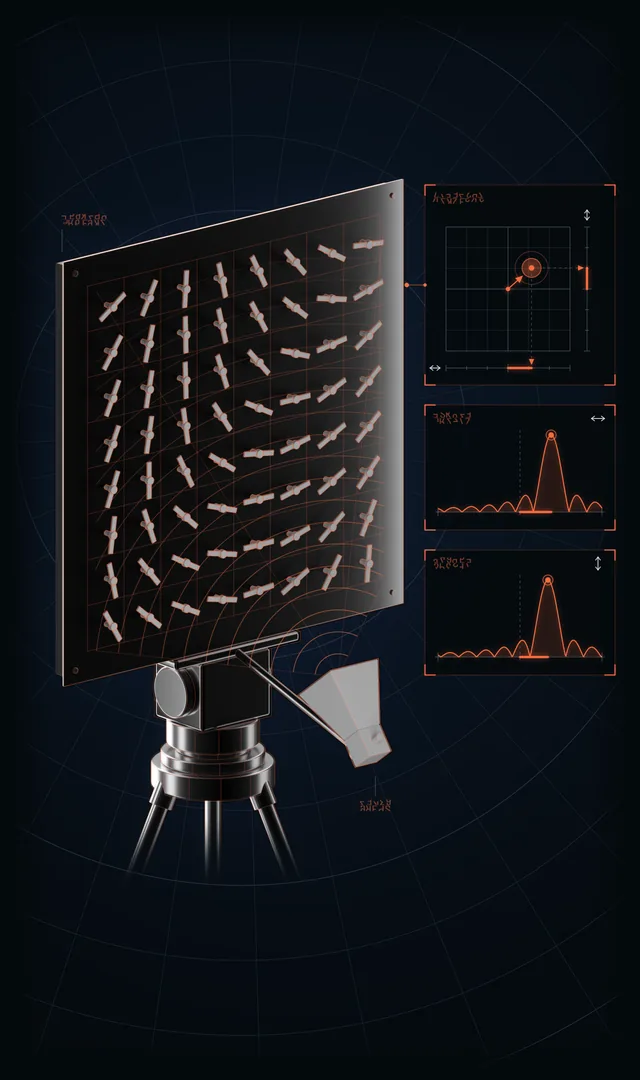
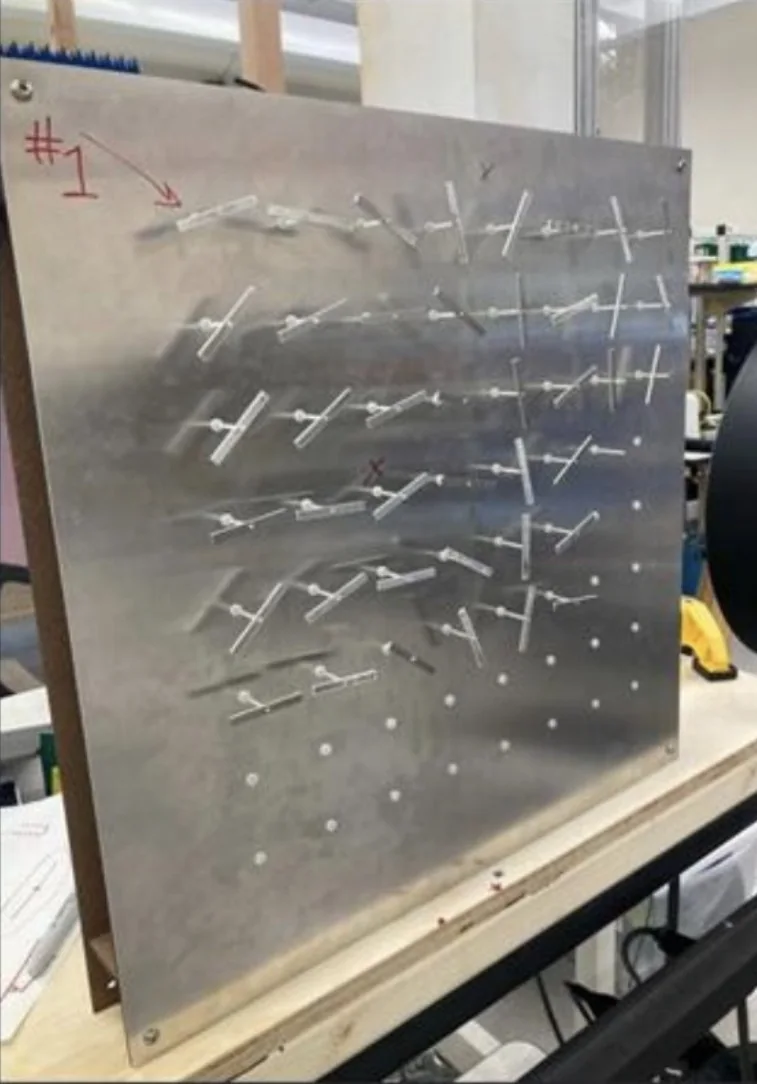
We can integrate external radars:
ASTERIX and SAPIENT protocols.
Finds the target and guides the interceptor.
Missile drone architecture
Positions as a quadcopter, attacks as a missile.

Stage 1
4 electric motors elevate the interceptor from a concealed position.
Launch infrastructure: none
Radar: tracks the target
Stage 2
Flight computer ignites the rocket motor; P4P attacks as a missile.
Design speed: 600+ km/h
Radar: guides the intercept
Stage 3
Designed for final targeting by onboard AI.
Radar: guides to target
AI: onboard
3RadarIn every stage: track, fire solution, guidance.
If it is not fired, it returns and flies again. If it misses, it returns on electric power and flies again with a reloaded rocket motor.
Concept of operations: the design, not a test record.
Engagement simulation
Interactive engagement simulation.
Physics-based engagement model.
Deployment
No launcher, no tube, no dedicated launch vehicle.
P4P takes off under its own electric power, wherever it is carried or released.
Carried to the launch point in a backpack.
Released from the cabin door in flight.
Launched from a mount or a multi-round magazine.
Starts from any vehicle or ground container.
The need: why now
$12B
In 2027 ruzzia plans to spend $12B on the production of jet-powered drones and loitering munitions.
Source: President Zelenskyy, evening address, 26 September 2026, president.gov.ua.
The need: Europe
100,000
interceptors per exposed European country: the class to plan for.
The scale exists: Ukraine's industry produced 100,000 interceptor drones in 2025.
A readiness hypothesis, not a current NATO requirement.
Sources: T. Petru, “Interceptor 3.0: From Observation to Requirement”; National Security and Defense Council of Ukraine, 26 January 2026.
A 1:1 exchange is failing: one conventional missile for one mass-produced drone. Imagine 50, 100, 150 interceptors for the price of one missile.
P4P interceptors for the price of one conventional missile
P4P aims for 250:1.
Designed for production at scale.
test campaigns
in Ukraine and the EU since July 2025.
Eligible for NATO competitive procurement
Declaration of eligibility, Estonian Ministry of Defence.
Finalist
IT Arena 2026 Startup Competition, Lviv.
Patent pending
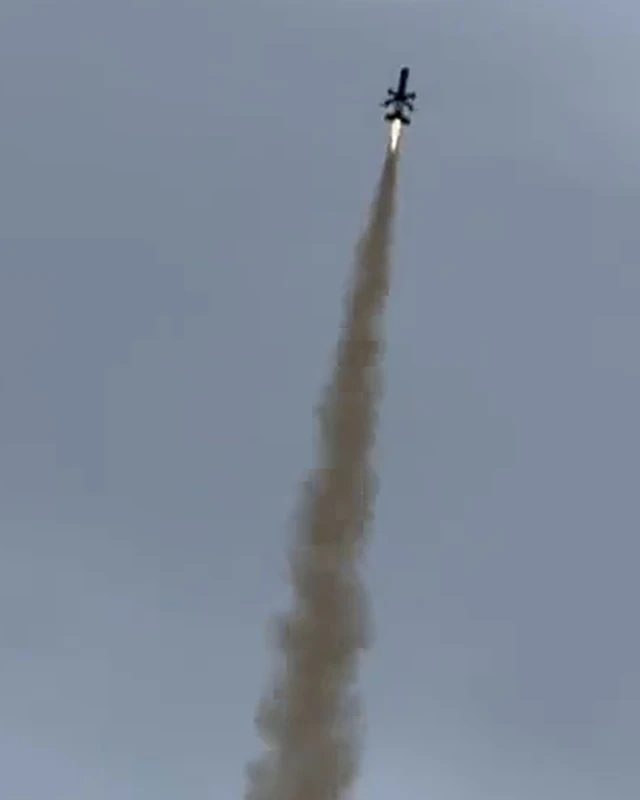
Missiles are one way. They can't wait. They can't park.
An important development in drone intercept capabilities.
P4P shows where drone interception is heading.
Covered by
Independent coverage and public posts. Headlines and figures are the outlets' own. Apart from the founder, none of the people named is affiliated with or advising the company.
As a thank-you, we write your PayPal name on one of our test prototypes.
PayPal, card or Apple Pay. Voluntary payment to Alatyr Group OÜ. Not a charity, not tax-deductible, no equity or return.
Support Alatyr ↗